




Aristotle once said:
“We are what we repeatedly do. Excellence, then, is not an act but a habit.”
Perhaps this quote described—centuries in advance—one of the most powerful concepts of the modern production world.
Because excellence is not a peak reached in a single moment, but the accumulation of small steps repeated every day.
Inside a factory…
At the head of a machine…
In a moment of decision…
The quiet journey of those who choose to be a little better each day.
And over time, this journey becomes a habit—and that habit turns into a culture.
And the name of this culture is: Kaizen.
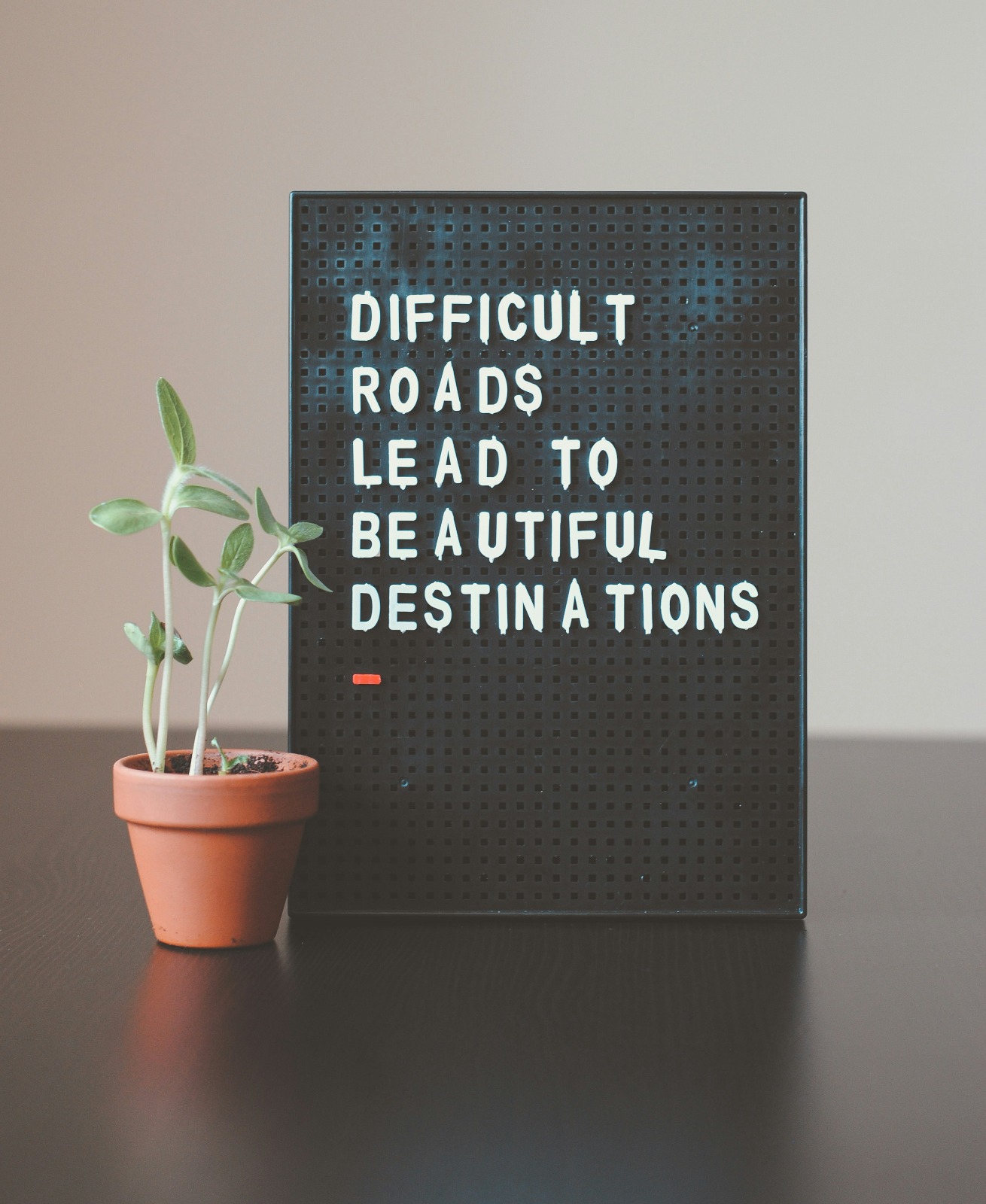
The Meaning of Kaizen
Kaizen is a combination of two Japanese words:
“Kai” — change
“Zen” — good
Together, they carry a simple yet profound meaning: change for the better.
However, the true meaning of Kaizen goes far beyond this translation. Kaizen believes not in dramatic transformations, but in the power of small, continuous steps.
It is not about making a process perfect all at once, but about improving it a little more every day.
Because real progress is built not through leaps, but through consistency.
Kaizen’s Journey to the World
Kaizen was born in Japan.
It took shape on factory floors, along production lines, and within real problems.
However, the spread of this philosophy to the world accelerated with one name:
Masaaki Imai
With his 1986 book “Kaizen: The Key to Japan’s Competitive Success,”
he revealed to the world the truth behind Japan’s quiet success.
According to Imai, Kaizen
was not just a method of improvement, but a management philosophy and a way of life.
In his view, Kaizen was the responsibility of everyone—from management to operators.
And perhaps most importantly:
Kaizen transformed excellence from a distant goal into a daily habit.
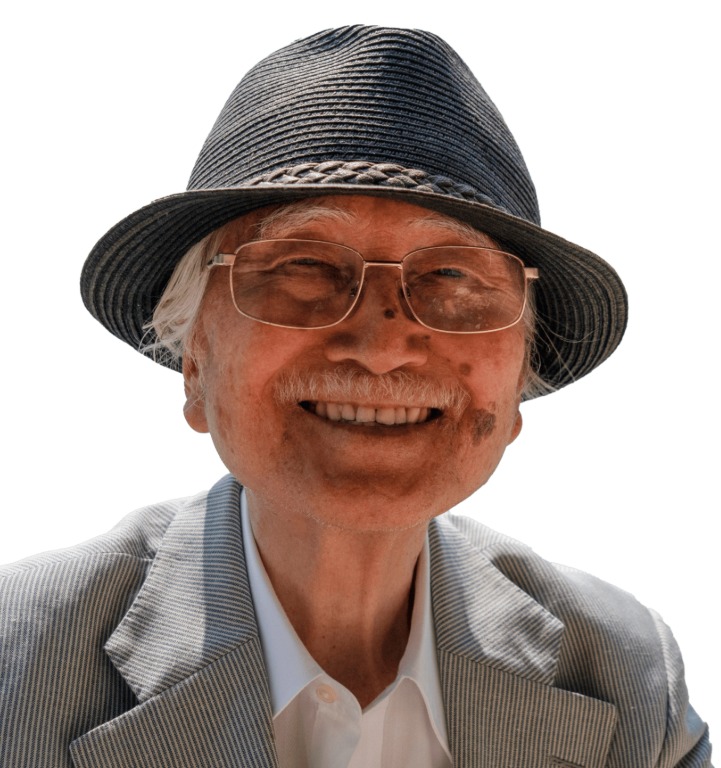
“The core message of the Kaizen strategy is this:
Not a single day should pass without some kind of improvement being made somewhere within the company.”
— Masaaki Imai
Toyota and the Systemization of Kaizen
Kaizen was born as a culture. But there was a structure that turned it into a system:
Toyota
Toyota did not leave Kaizen as just an idea. It transformed it into a way of working every day.
A system where every operator contributes improvement ideas,
where every problem is immediately visible,
and where every process is continuously questioned.
At the heart of this system was a very simple question:
“Can we be better today than we were yesterday?”
And over time, this question created one of the most powerful production systems in the world.

“The most important point about Kaizen is this: Kaizen should be practiced when things are going well—when the economy is strong and the company is profitable…”
— Taiichi Ohno
The Opexera Perspective
In today’s world, Kaizen is no longer just lean manufacturing.
It reaches its true power when combined with digitalization.
Improvement that is not supported by data cannot go beyond intuition.
And Kaizen that is not sustained by systems cannot endure.
In the Opexera approach, Kaizen gains its meaning through the combination of:
lean thinking + digital infrastructure + human development
Because true operational excellence is not just about improving,
but about making improvement sustainable.
At the center of revealing and solving problems are people. They are the minds that carry out problem-solving. If you remove these minds and the drive for improvement, what remains is a system that will consume itself in helplessness. Continuous improvement is the force that enables becoming better every day and building a sustainable organization.
— The Toyota Way / Jeffrey K. Liker
Final Word
Kaizen is not a method.
It is certainly not a project.
It is a mindset.
It is about how you look at problems…
How much you believe in improvement…
And what you choose every day.
Instead of waiting for big changes,
it is choosing to move forward with small steps.
Because over time,
those small steps lead to major transformations.
And one day, when you look back,
you realize that not only processes,
but also people, culture, and even leadership have changed.
A quote from centuries ago still reminds us of the same truth today:
Lao Tzu said:
“A journey of a thousand miles begins with a single step.”
And that is exactly what Kaizen is—
That small but determined step taken every day.
Reference;
https://kaizen.com/masaaki-imai/
Toyota Tarzı Kitabı / Jeffrey K.Liker / Yalın Enstitü
Photo by Behnam Mohsenzadeh on Unsplash
